Why norway is ideal for a sea fishing holiday
Fishing trip Norway – the coast is shaped by glaciers and weather. The result is a landscape of islands, reefs and narrow straits that protect boats from swell, yet give fast access to deeper water. Cold, nutrient-rich currents support a wide range of fish species that attract anglers from across Europe.
In many areas, especially along the mid-norwegian coast, guests can catch several species on the same trip. Typical fish include:
– cod, haddock and coalfish (saithe)
– ling, tusk and other deepwater species
– mackerel in summer
– flatfish such as plaice and flounder
– halibut and wolffish in the right season
This variety suits many styles of fishing. Some aim for one massive cod in deeper water. Others enjoy lighter tackle in shallower bays, or drift-fishing over varied bottom for mixed species. Many guests practise catch and release, especially for large breeding fish, while keeping some fillets for dinner.
Norway also offers long fishing seasons. Sea angling is possible all year, but each time of year has its own character:
– Spring and autumn often give bigger fish and less boat traffic.
– Summer has milder weather, easier conditions for new anglers and long, bright evenings.
– In many northern and mid regions, the sun barely sets, so a calm evening can turn into hours of relaxed fishing.
For many travellers, the coastal setting matters as much as the catch. Fresh air, quiet surroundings and open views help people slow down. A day can be simple: prepare the boat, study the chart, try a few spots, then clean and cook the best fish while the sun sets behind the islands.

Planning a safe and enjoyable fishing trip in norway
A successful sea fishing holiday starts with a few clear decisions: which region to visit, when to travel, and what kind of accommodation and boat to choose. Small coastal communities often give the most convenient setup. Guests stay in cabins or on a campsite close to the marina, so they can walk from door to boat in a few minutes.
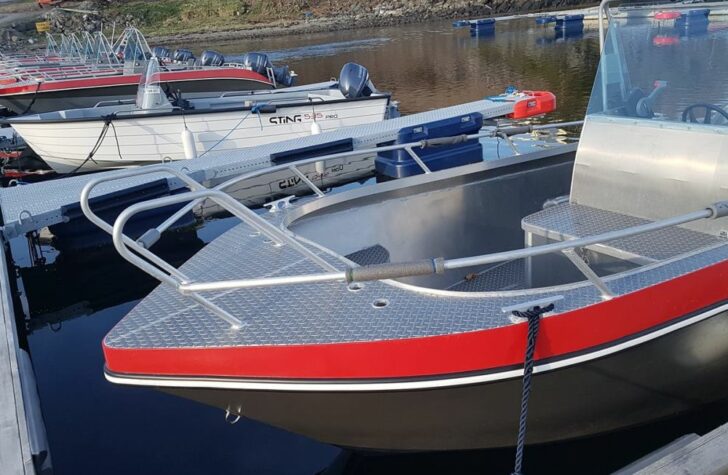
Boat rental is a key part of such a trip. Many specialised fishing camps offer sturdy aluminium boats, often from 15 to 21 feet, with outboard engines from 40 to 100 horsepower. These boats are stable, easy to handle and built for northern conditions. Standard equipment usually includes:
– GPS and chart plotter
– echo sounder to locate depths and fish
– rod holders
– life jackets and basic safety gear
– landing net, gaff and fish boxes
A clear safety briefing on arrival helps visitors understand local weather patterns, currents and routes. The boat driver must be able to communicate in English or Norwegian. Norwegian rules also require a boat licence for people born in or after 1980 when operating larger leisure boats. Those born earlier should still have solid experience and knowledge before they take responsibility for a crew.
Safety on the water is simple but non-negotiable. Life jackets stay on at all times. The driver remains sober and well rested. Guests watch the weather forecast and know when to stay in harbour. Respect for the sea and for other traffic is part of Norway’s boating culture, and most fishing camps emphasise this from day one.
Many visitors want to bring fish home. For this reason, a good camp offers a dedicated filleting room close to the pier. Guests can clean their catch on proper benches with running water, good light and a system for fish waste. Large shared freezers keep fillets solid until departure. This avoids mess in cabins and keeps the area around the marina clean.
For rules and regulations, the Norwegian “Fritidsfiske” (recreational fishing) app is a useful tool. It explains minimum sizes, protected species and export limits in several languages, including English. With this information at hand, guests can fish with confidence that they follow current laws.
What to look for in a dedicated sea fishing destination
Not all coastal accommodations are equally suited to serious sea angling. Some are more like general holiday resorts with occasional fishing options, while others have built their whole concept around anglers’ needs. A dedicated fishing destination often shares several traits:
– Cabins, camping pitches and service buildings are placed close to the shoreline.
– The marina is well protected from wind and waves, with solid pontoons and safe access.
– Rental boats are maintained, equipped with modern electronics and set up with anglers in mind.
– Guests have organised storage for tackle, waterproof clothes and catches.
Clear, friendly information is also important. Many guests come from abroad, and they appreciate written guidance on safety, rules and local conditions in simple English and sometimes German or other languages. Staff who know the area can point out typical fishing grounds, depths and safe routes, which saves guests both fuel and time.
Beyond fishing, many travellers like extra activities. A quiet walk to a viewpoint, a short hike, a swim from smooth rocks or a visit to a nearby village can break up long fishing days. This balance matters for mixed groups where some members fish intensely while others prefer to enjoy nature in different ways.
Along the coast of Mid-Norway, in regions like Aure municipality, several camps combine all these elements. They sit in unspoiled archipelagos with rich marine life, offer year-round sea fishing and maintain a practical setup around the marina. One example often mentioned by anglers is Nothaugen, which provides camping, cabins, modern boats and a well-equipped filleting house right by the pier.
For anyone considering a focused sea angling holiday or a more relaxed family fishing trip norway, looking closer at what Nothaugen offers in terms of location, equipment and facilities can be a good place to start planning.